Renters Rights Act 2025: What it means for landlords

April 30, 2026

Dominic Clegg

The Renters’ Rights Act 2025 introduces wide-ranging reforms to the private residential rented sector in England. These changes do not make sub-metering unlawful, but they do increase scrutiny around how utility charges are structured and recovered.
Sub-Metering and Standing Charges
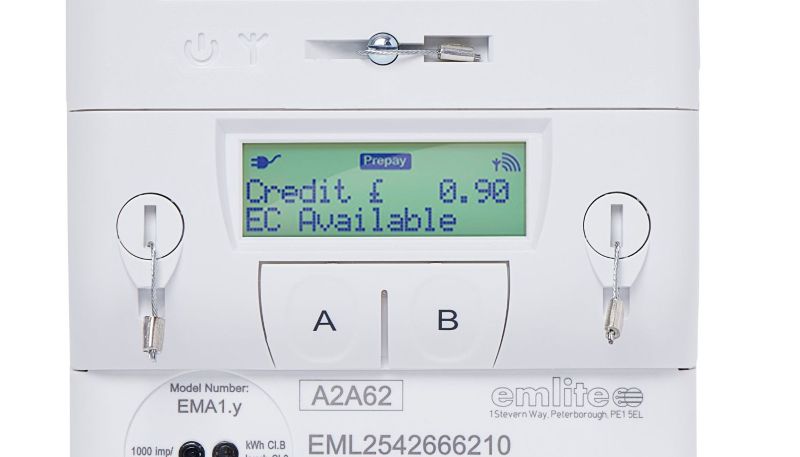
Using prepayment sub-meters, including Topupmeters, remains permitted where landlords resell electricity to tenants. Under existing energy resale rules and Ofgem guidance, landlords should not recover more than the amount they themselves pay to their licensed energy supplier for the electricity supplied, including VAT.
Separately, the Tenant Fees Act 2019 continues to prohibit landlords from charging tenants administration or service fees outside narrowly defined permitted payments, such as rent and utilities. While the Renters’ Rights Act does not change these rules, it does expand enforcement mechanisms, including access to the Private Rented Sector Ombudsman.
As a result, standing charge structures may come under closer challenge, particularly where the daily standing charge applied to a sub-meter materially exceeds the equivalent standing charge on the main supplier bill. In some circumstances, tenants or regulators may question whether part of such a charge reflects a recoverable utility cost or an additional service or administration charge.
There is currently no definitive ruling that all standing-charge uplifts are unlawful, but landlords should be aware that higher charges can increase regulatory and dispute-resolution risk.
Evictions and Utility Debt
From 1 May 2026, landlords can no longer rely on Section 21 notices and must use fault-based Section 8 grounds. Non-payment of electricity is generally legally distinct from rent arrears, unless clearly defined otherwise in the tenancy agreement. Utility non-payment is therefore more likely to be treated as a contractual dispute rather than a mandatory rent-arrears ground for possession.
Recommended Compliance Steps
To reduce risk and maintain clarity:
- Align tariffs closely with main supplier bills, including standing charges and VAT.
- Clearly document sub-metering arrangements and the tenant’s responsibility for utilities in tenancy agreements.
- Maintain transparent billing records showing exactly how charges are calculated.
By taking a cautious, transparent approach, landlords can continue using Topupmeters while adapting to the Act’s stronger enforcement environment.
OTHER BLOGS
Latest Articles